Mutual Antipathy Between the Righteous and Wicked
Matthew Henry explains Proverbs 29:27, which declares that no fellowship can exist between the just and the unjust.
Lived 1662–1714

Matthew Henry explains Proverbs 29:27, which declares that no fellowship can exist between the just and the unjust.
The following is adapted from Matthew Henry's commentary. Depart from me, ye evildoers: for I will keep the commandments of my God. Psalm 119:115 Here is: David's firm and fixed resolution to live a holy life: I will…

Matthew Henry explains that embracing the wicked (e.g., endorsing, excusing, condoning them, etc.) flows from forsaking God's law, while keeping it produces steadfast resistance and opposition to them.

Matthew Henry (1662–1714) explains the great difference between the spirits of men and beasts, one being immortal and the other mortal. The spirit of man outlives the death of the body, whereas the spirit of the beast dies with it.
Matthew Henry (1662–1714) explains what qualifies one as a presumptuous sinner, the nature of presumptuous sin, and the general doom that is appointed for such.

Matthew Henry's commentary on Psalm 15, which he explains is intended to reveal the way to heaven by describing the fundamental characteristics of those who are on it, and who will, in the end, reach its destination.
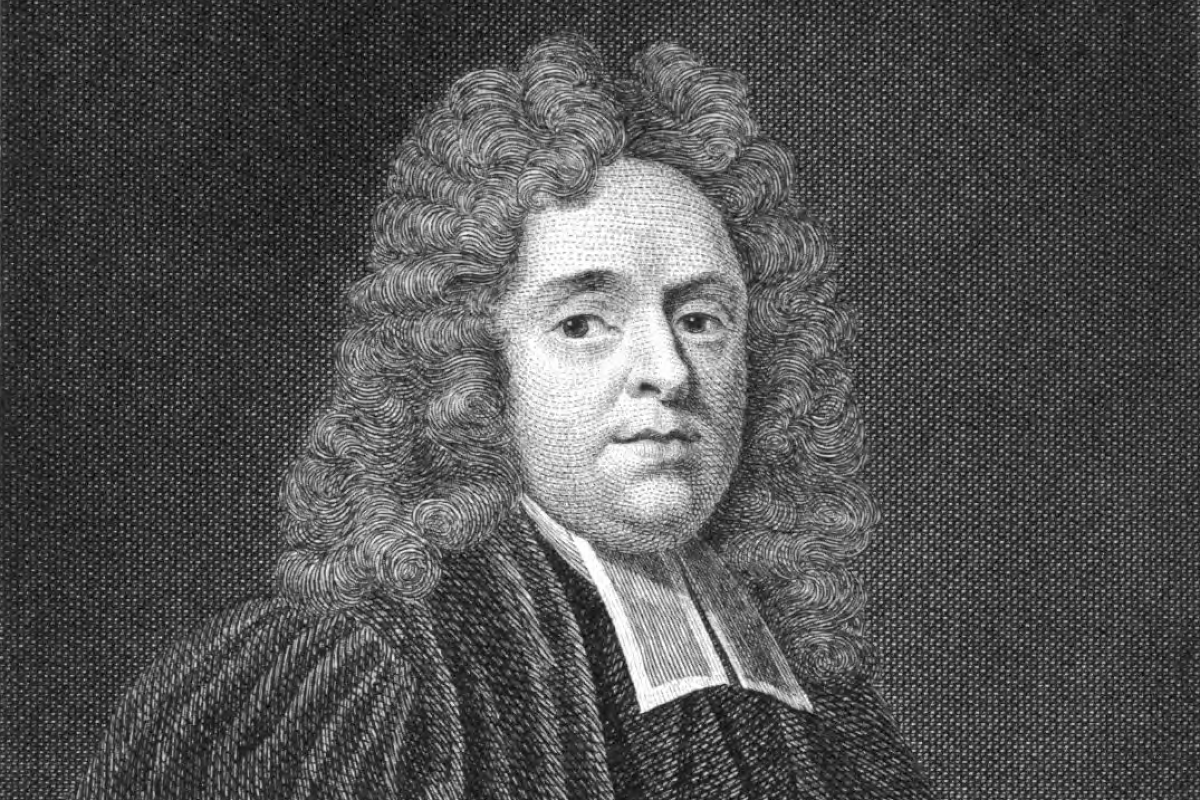
Matthew Henry explains that the reference to the wings of the angels in Isaiah 6 is intended for our instruction, that we would approach and serve God aright.